

How We Work
A Delivery Methodology Built for MENA
Every engagement runs on the same five-phase methodology, backed by a Cultural Adaptation Framework built for how business gets done across the UAE, Saudi Arabia, and the wider region. As a Diamond HubSpot Solutions Partner, we treat your CRM as a living system, not a one-time implementation.
From Kickoff to Scale
Five Phases, Twelve Weeks to Launch
We operate as an extension of your team, not a vendor that disappears after go-live. Each phase has a clear owner, a clear output, and a clear handoff into the next.
HubSpot is not a static implementation project for us. It's a revenue engine we keep tuning long after the kickoff call.
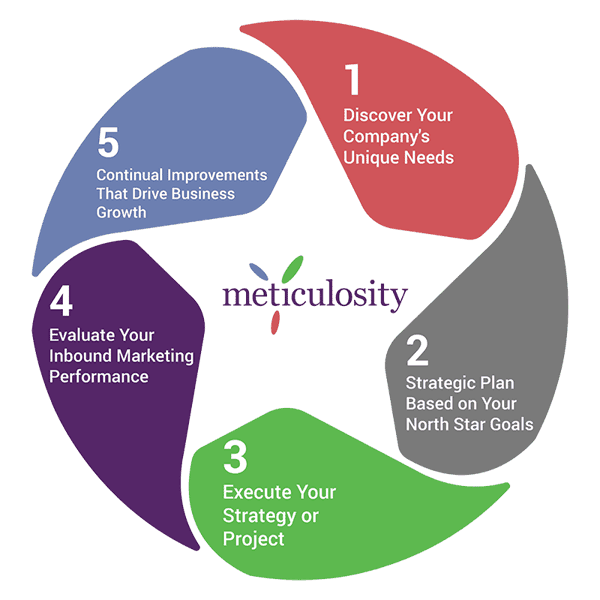
Phase by Phase
The Five-Phase Delivery Methodology
Discovery and Planning
Weeks 1-2
- Requirements gathering
- Stakeholder alignment
Foundation Setup
Weeks 3-6
- Technical configuration
- Data migration
Advanced Configuration
Weeks 7-10
- Workflow automation
- Customization
Training and Adoption
Weeks 11-12
- User education
- Change management
Optimization and Scale
Ongoing
- Continuous improvement
- Expansion
Ways to Work With Us
Strategic and Project-Based Partnerships
Strategic Engagements
Ongoing partnership
- A standing team that knows your portal
- Continuous build-out as needs change
- Adoption and performance reviewed quarterly
- Priority access when something breaks
Project Engagements
Defined scope
- A fixed outcome with a fixed shape
- Clear start, finish and handover
- Ideal for migrations and onboarding
- Extends into a retainer only if you want it
A Genuine MENA Differentiator
The Cultural Adaptation Framework
A delivery methodology alone isn't enough in this region. We build every engagement plan around how business actually happens here.
Relationship-First Engagement
The early weeks buy trust rather than throughput, and that is deliberate. A regional enterprise decision typically involves five to twelve active stakeholders, and each additional approval layer adds two to four weeks, so the engagement is planned around people rather than around a Gantt chart that assumes one signature.
Practically: named relationships with each stakeholder group, material packaged so it travels between meetings we are not in, and a champion equipped to carry the decision internally.
Built Around the Regional Calendar
Ramadan, Eid and local holidays are scheduling constraints in the plan from the first week, not exceptions raised once a milestone has already slipped. Around 63% of regional organizations require SLAs that account for them.
We also plan for the meetings that have to happen in a room. A delivery team in Cairo and colleagues living elsewhere in the Gulf mean that is a flight, not a quarterly visit from a head office in another hemisphere.
Understanding Your Buying Committee
Five to Twelve Stakeholders, Six Roles
B2B CRM and RevOps decisions in the region rarely rest with one person. We build engagement plans around the reality of the room, not the fiction of a single decision-maker.

Meet the Committee
Six Roles, Six Different Priorities
Economic Buyer
Holds the budget and answers for the total cost of ownership. Wants the decision expressed as a number and a risk, and will rarely attend a demo. Loses interest fastest when a conversation stays technical.
Technical Buyer
Judges architecture, integrations and whether the thing will actually connect to the ERP. Can kill a deal quietly by declining to endorse it, and often decides on evidence found without ever contacting you.
Champion
The person who wants this to happen and has to sell it internally between the meetings you are in. The single strongest predictor of whether a regional enterprise deal closes is whether the champion was given material that travels.
Influencer
Subject-matter authority in IT, legal or compliance. Consulted rather than deciding, but a reservation raised here adds four to six weeks and occasionally ends the process.
End-User
The people who have to work in it on Monday. Rarely in the buying meetings and entirely in control of whether the platform is adopted, which is why adoption is designed in rather than trained in afterwards.
Blocker
Whoever raises the risk objection, usually late and usually for a reason nobody surfaced early. Procurement, security and occasionally a department that was not consulted. Planning for this role is the difference between a delay and a dead deal.
How MENA Organizations Decide
A Five-Step Path to Contract
The pathway typically runs in this order, though the timeline stretches with each additional layer of review.
Each additional approval layer typically adds two to four weeks. Compliance and legal sign-off typically adds another four to six weeks. We plan engagements around that reality instead of ignoring it.

The Path to Contract
Five Steps From Assessment to Signature
Needs Assessment
Technical and end-user teams work out what is actually wrong, usually over several weeks and usually before any vendor is contacted. If you are reading this at that stage, the free portal audit is designed to be useful here without obligating you to anything.
Vendor Shortlist and Demos
Technical buyers and influencers narrow the field. This is where most shortlists are decided on things vendors rarely present: integration surface, who is actually on the delivery team, and whether anybody has done this in this jurisdiction before.
Business Case and ROI
The economic buyer and the champion build the internal case. The work here is mostly translation, turning a platform decision into a number the finance function recognises, and it is where deals stall longest without help.
Procurement and Compliance Review
Legal, compliance and IT security. Add four to six weeks, more in public sector and regulated finance. Data residency, audit trails and security architecture come up here whether or not anybody mentioned them earlier.
Final Approval and Contract
The economic buyer and executive sponsor sign. By this point the decision has usually been made for weeks and what remains is paperwork, which is why the delivery calendar should already be drafted backwards from the real go-live date.
Procurement Timelines
How Long Until You're Live
- 4-6 weeks
- Simple CRM purchase
- 3-4 months
- Mid-market CRM with customization
- 6-9 months
- Enterprise RevOps and inbound marketing programmes
Organizations We Have Delivered For


















HubSpot Expertise
Diamond-Tier HubSpot Expertise, Applied to Your Industry
As a Diamond HubSpot Solutions Partner, Meticulosity Global has certified expertise across every Hub, so your business gets full value from the platform you're already paying for.
Industries
We work across manufacturing, industrial, technology, SaaS, business services, and professional services, among others.

Client Voices
Our Clients Love Our Work
“Our experience working with Meticulosity over the last few months has been nothing short of exceptional. After struggling to find an agency that was a good fit for us, working with David and his team has been a breath of fresh air. Our website project has gone so smoothly and the quality of work is outstanding. We've been searching for an agency that could work collaboratively with our internal marketing team and they have absolutely delivered on that promise.”




Common Questions
About How We Work
That is normal here and it does not break anything. The twelve weeks are delivery weeks, which start after contract. Procurement runs alongside and ahead of them: six to nine months is typical for enterprise and public sector programmes, with compliance and legal sign-off adding four to six weeks and integration pilots another six to eight. We plan the delivery calendar backwards from your real go-live date, not forwards from signature.
A named regional lead who stays with you for the engagement, plus the specialists each phase needs. A production bench sits behind them, which is how compressed timelines happen without thinning the team you actually talk to. You will not be handed to a different account manager at go-live.
By planning for them rather than being surprised. Business cases are written for the economic buyer, technical detail is packaged separately for IT security, and your internal champion is equipped to carry the decision between meetings when we are not in the room. In hierarchical organizations the material has to travel without us.
You hear about it in that week, not at the phase gate. The middle phases are where integration complexity and security review genuinely bite, so those are the ones we scope most carefully and flag earliest. Where we got an estimate wrong we say so and re-plan, rather than absorbing it quietly and compressing training at the end, which is how adoption gets damaged.
Most clients do, on adoption monitoring against the 90-day usage target, quarterly pipeline and attribution review, and continued build-out. Nothing obliges you to. Administrator handover is part of every engagement precisely so that staying is a choice rather than a dependency.
Ready to Get Started?
See the Methodology Against Your Programme
Bring us the deadline, the systems that have to integrate and the approvals you have to clear. We will map the five phases onto your actual calendar.